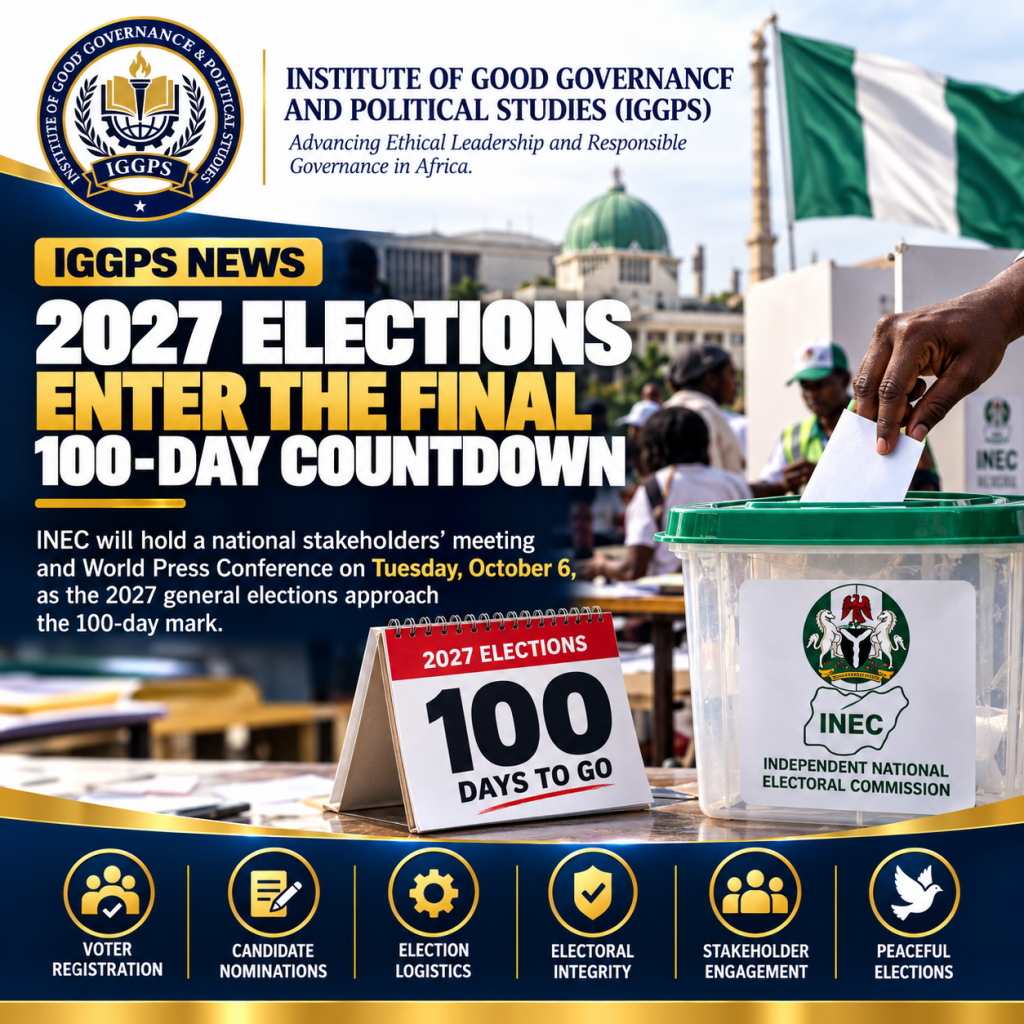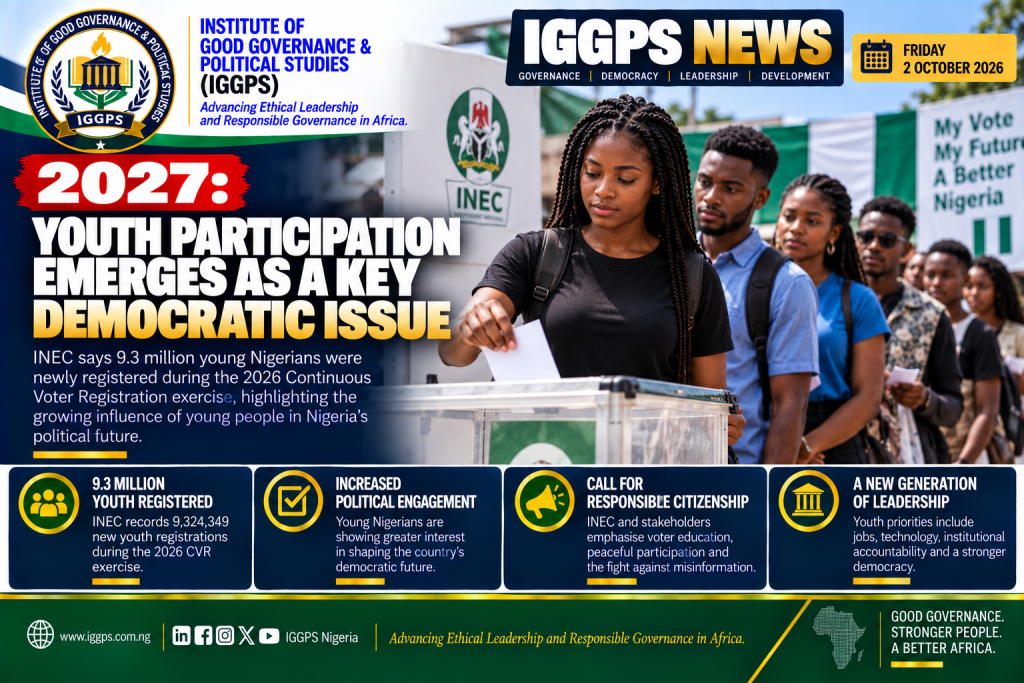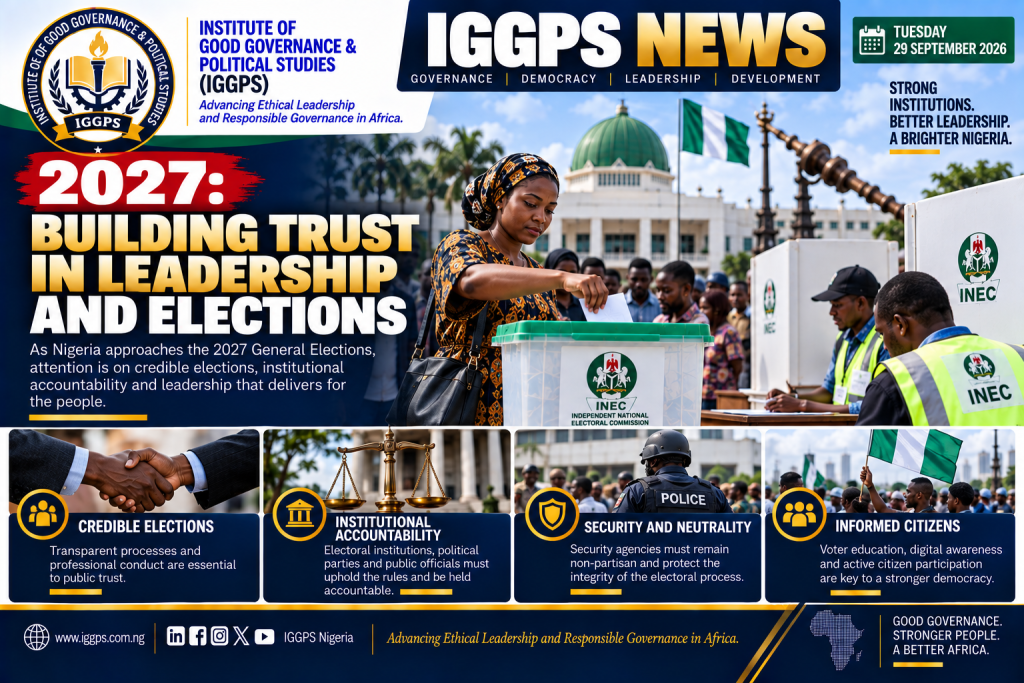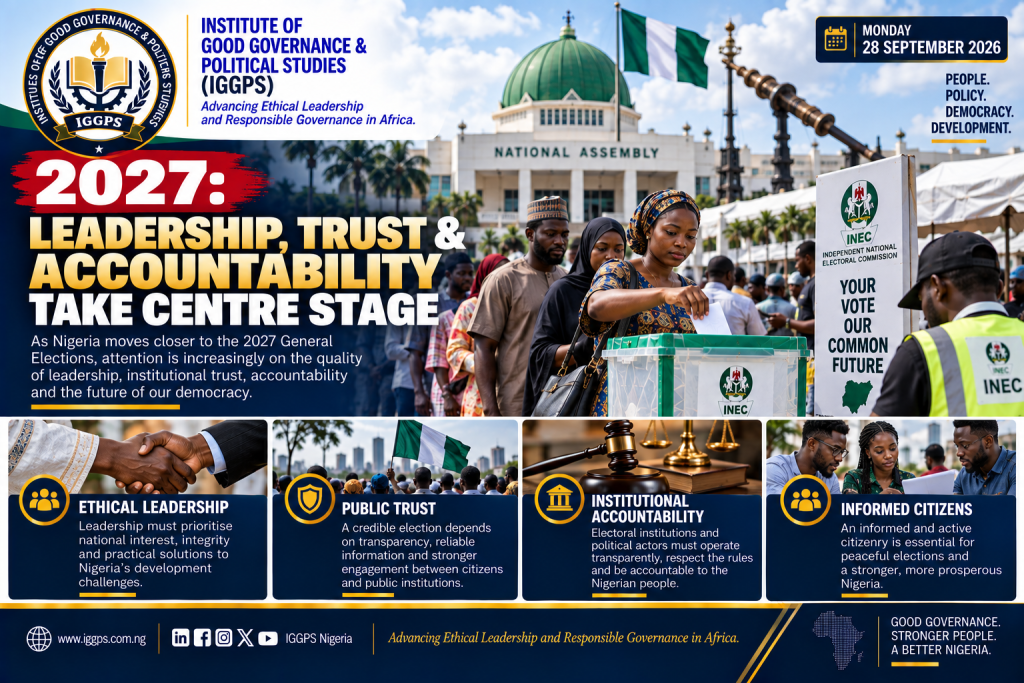

As Nigeria approaches the 2027 General Elections, attention is increasingly turning to the relationship between leadership, electoral institutions, accountability and public trust.
The Independent National Electoral Commission (INEC) is continuing nationwide readiness assessments ahead of the polls. On September 28, INEC Chairman Prof. Joash Amupitan directed officials in the North-West to close operational gaps, strengthen neutrality and maintain professionalism, saying the conduct of election personnel will be important to public confidence.
The commission has also identified funding, communication and public trust as areas requiring sustained attention. Recent readiness discussions have highlighted improvements to BVAS and result-management processes, while stakeholders have called for stronger voter education and clearer communication with citizens.
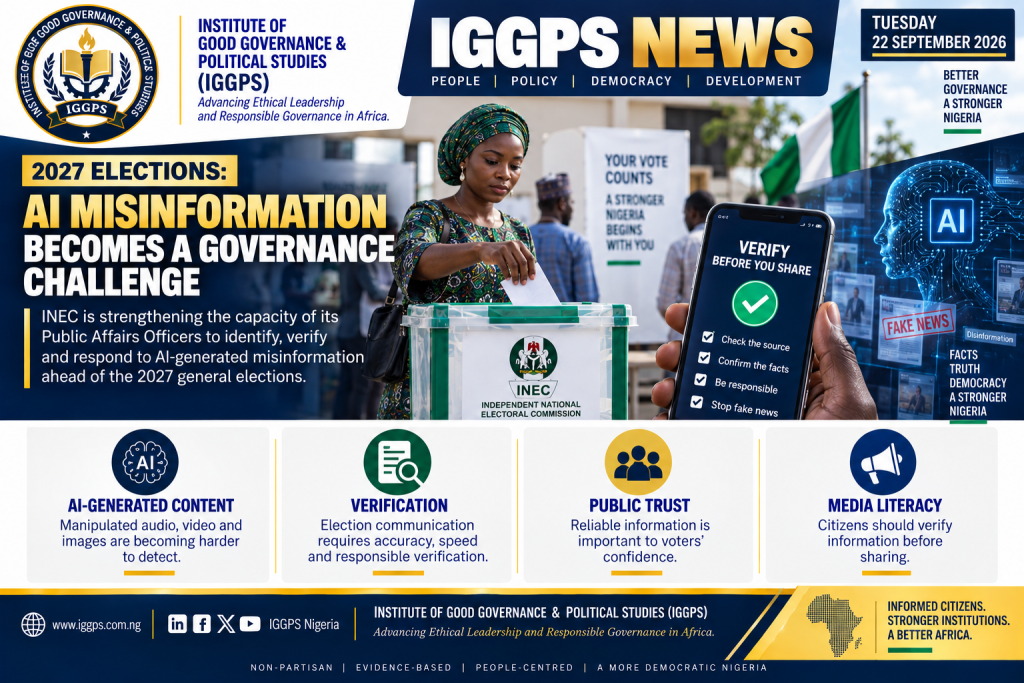
Another emerging challenge is the information environment surrounding elections. INEC has warned that generative AI can make fabricated audio, video and images harder to detect and could be used to create targeted narratives for different groups of voters. The commission has consequently emphasised stronger public-information systems and greater awareness of digital misinformation.
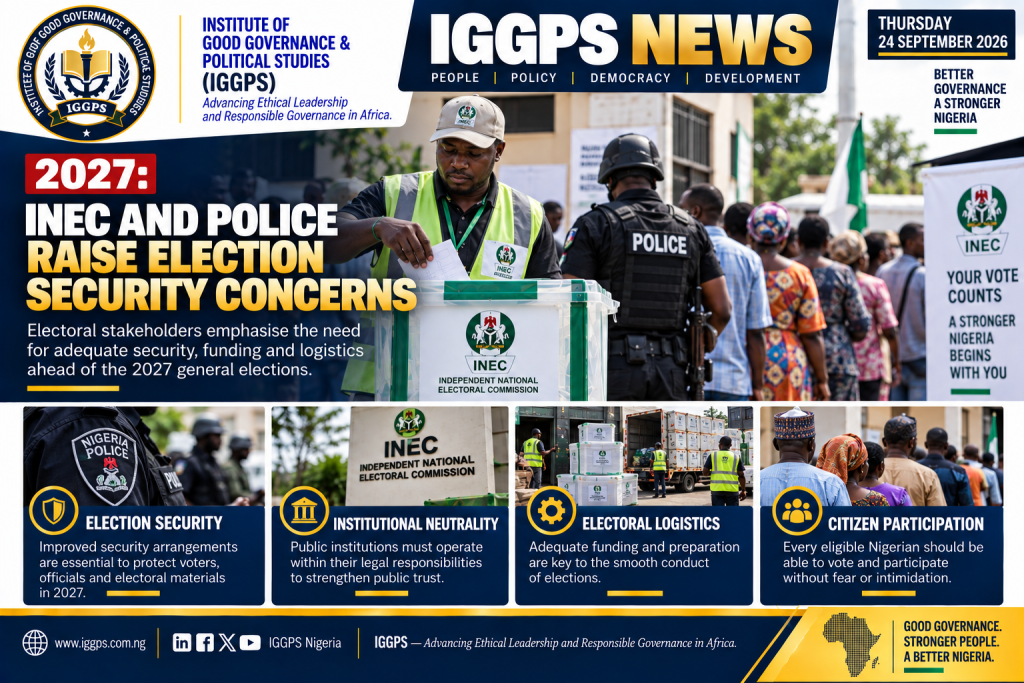
Security and institutional neutrality remain equally important. The Inspector-General of Police has warned officers against taking sides, colluding with political actors or harassing voters, while INEC has raised concerns about election logistics and security funding.
The Leadership Question
The 2027 election conversation therefore extends beyond who is seeking public office. It also raises questions about how political parties recruit leaders, how institutions perform their constitutional responsibilities, how candidates communicate with citizens, and how elected officials can be held accountable after elections.
For IGGPS, these issues are central to responsible democratic development. A credible electoral process requires participation from electoral institutions, political parties, security agencies, the media, civil society and citizens, with each stakeholder operating within clearly defined responsibilities.
As Nigeria moves toward 2027, the quality of leadership and the strength of democratic institutions will remain important subjects for informed national dialogue.