
Over the past decade, Nigerian youths have emerged as one of the most influential voices in the nation’s political landscape. Through social media platforms such as X (formerly Twitter), Facebook, Instagram, TikTok, and YouTube, young Nigerians have demonstrated an unprecedented ability to shape public discourse, mobilize support for causes, and hold leaders accountable. From the #EndSARS movement to the highly energized political participation witnessed during the 2023 general elections, the youth demographic has shown that it possesses the passion, numbers, and technological tools necessary to influence national conversations.
Yet as Nigeria moves closer to the 2027 elections, a critical question remains: Can Nigerian youths move beyond social media activism to become a decisive force in shaping electoral outcomes and democratic governance? The answer depends largely on whether young Nigerians are willing to transform online influence into real-world political engagement. There is no doubt that social media has revolutionized political participation in Nigeria. It has broken traditional barriers to information dissemination and given ordinary citizens direct access to political debates and national conversations. Young people can now challenge public officials, scrutinize government policies, and mobilize support for political causes without relying solely on traditional media outlets.
This digital revolution has created a more politically aware generation. Millions of Nigerian youths are now informed about governance issues, economic policies, electoral processes, and leadership performance. Political discussions that were once confined to elite circles have become part of everyday conversations among students, entrepreneurs, professionals, and young voters. However, while social media activism has succeeded in raising awareness, awareness alone does not win elections. The reality is that elections are determined not by hashtags, likes, reposts, or online trends, but by voter registration, voter turnout, grassroots mobilization, political organization, and active participation in democratic processes. Political influence is ultimately measured at polling units, not on social media timelines.
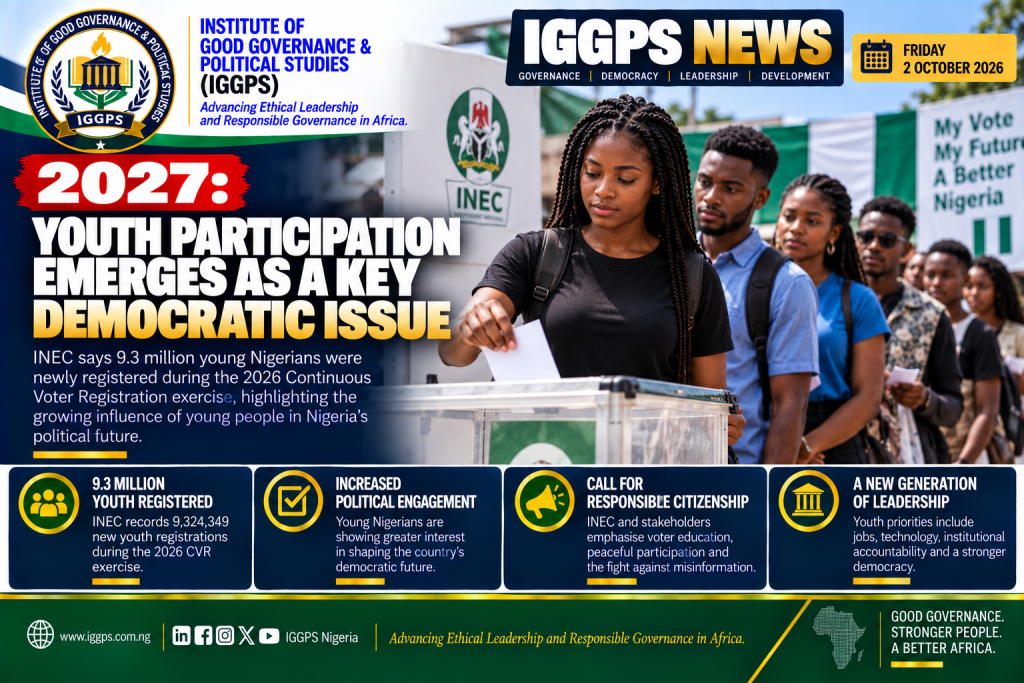
One of the greatest lessons from previous elections is that digital popularity does not always translate into electoral victory. A candidate may dominate online conversations while another quietly builds strong grassroots structures capable of delivering votes across communities. Political success requires both digital engagement and physical mobilization. For Nigerian youths to truly shape the 2027 elections, they must begin to view politics as more than an online activity. They must actively participate in voter registration exercises, obtain their Permanent Voter Cards (PVCs), engage in civic education campaigns, monitor electoral processes, and encourage voter turnout within their communities. Furthermore, young people must move beyond supporting candidates to becoming candidates themselves.
Democracy flourishes when citizens are not merely spectators but active participants in governance. Nigeria’s youth population represents more than 60 percent of the country’s demographic structure. Such numerical strength should naturally translate into significant political influence if effectively organized. Another critical challenge is political apathy. Despite their population advantage, many young Nigerians remain disengaged from formal political processes. Some have lost faith in the electoral system, while others believe that their votes do not matter. This perception poses a significant threat to democratic development because political disengagement creates opportunities for less representative interests to dominate the political space.
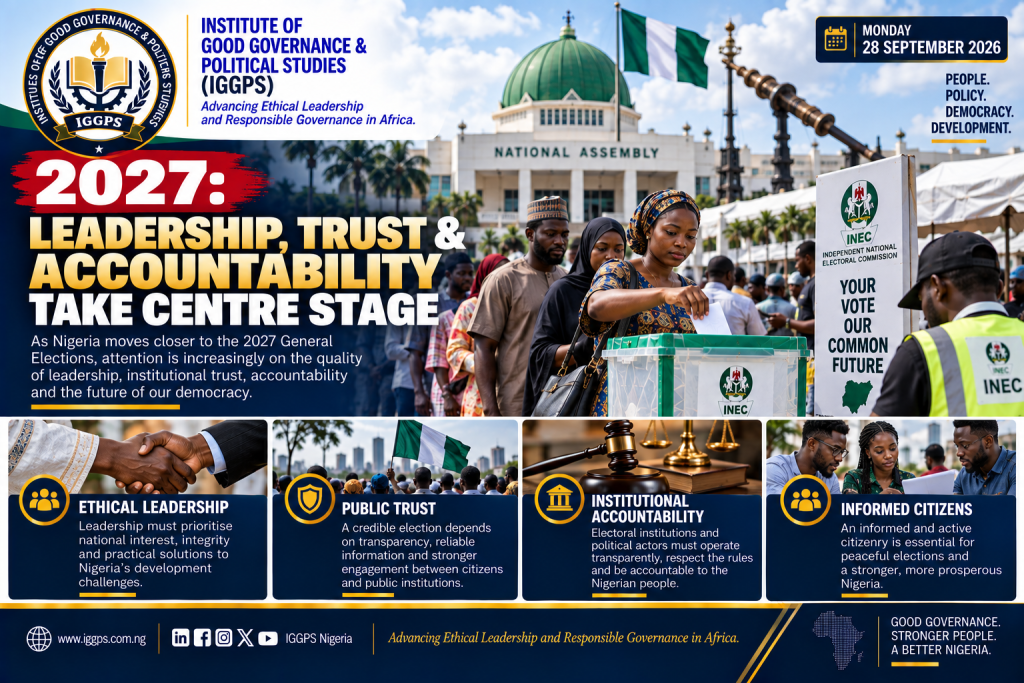
The future of youth political influence will depend on their ability to build sustainable structures beyond election seasons. This includes participation in political parties, civil society organizations, community leadership initiatives, policy advocacy groups, and governance monitoring platforms. Sustainable change requires continuous engagement rather than occasional bursts of online activism. Equally important is the need for issue-based politics. Nigerian youths must resist attempts to divide them along ethnic, religious, and regional lines. The challenges facing the nation unemployment, insecurity, inflation, education deficits, and economic instability cut across all demographics. Therefore, political decisions should be guided by competence, character, vision, and policy alternatives rather than identity politics. The 2027 elections present a historic opportunity for Nigeria’s youth to redefine their role in the democratic process. The question is no longer whether young Nigerians have a voice. They clearly do.
The real question is whether they can convert that voice into votes, leadership, policy influence, and long-term democratic transformation. Social media remains a powerful tool for political engagement, but it should be viewed as the starting point rather than the destination. True political power lies in organization, participation, accountability, and sustained civic engagement. As the countdown to 2027 begins, Nigerian youths stand at a crossroads. They can remain digital commentators on the sidelines of history, or they can become active architects of Nigeria’s democratic future. The choice they make may well determine not only the outcome of the 2027 elections but also the future direction of the Nigerian nation. Editorial Quote of the Day “A generation that can trend a hashtag can also transform a nation—if it turns online influence into civic action.”