
Nigeria’s democracy does not belong exclusively to politicians.
It belongs to every citizen.
Yet one of the greatest challenges confronting democratic development is the growing distance between citizens and the institutions that govern them. Many Nigerians are deeply interested in politics, but political interest does not always translate into meaningful civic participation.
We debate government decisions.
We criticize politicians.
We discuss policies on social media.
We complain about poor public services.
But democracy demands something more.
It demands participation.
THE CITIZEN CANNOT REMAIN A SPECTATOR
Democracy is not something that happens every four years when citizens go to the polling station.
Voting is important, but it is only one part of democratic citizenship.
Citizens also have responsibilities to:
- Understand public policies;
- Demand accountability;
- Participate in civic discussions;
- Monitor government performance;
- Respect lawful institutions;
- Reject misinformation;
- Question public officials constructively;
- Participate in elections;
- Protect democratic institutions; and
- Remain engaged between elections.
A democracy populated by passive citizens can become vulnerable to manipulation, political apathy and the concentration of power.
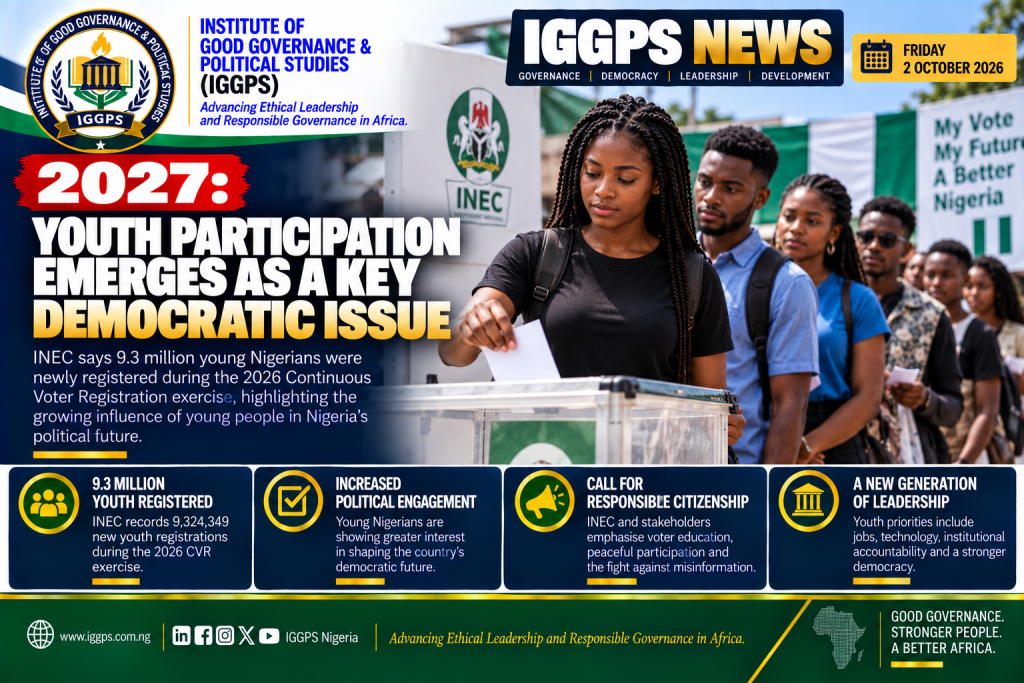
NIGERIA’S YOUTH CANNOT AFFORD TO STAND ASIDE
Nigeria’s young population represents one of the country’s greatest democratic assets.
The Federal Character Commission Chairman, Ayo Hulayat Omidiran, recently urged Nigerian youths to become custodians of the country’s democracy, stressing the importance of their involvement in shaping the nation’s democratic future.
The message is important.
Young Nigerians should not see governance as something reserved for older generations or professional politicians.
The decisions made today will determine the Nigeria that young people will inherit tomorrow.
Therefore, young Nigerians must move from being audiences of politics to participants in democracy.
YOUR VOTE IS NOT YOUR ONLY VOICE
Citizen participation begins long before election day.
It begins with asking questions.
Why was a particular road commissioned?
What happened to a budget allocation?
What is the government’s policy on education?
How is a public project being implemented?
What does a proposed law mean for ordinary citizens?
How can citizens provide feedback?
These questions are not signs of opposition.
They are signs of responsible citizenship.
A government that is never questioned can easily become a government that stops listening.
THE VOTER REGISTER MATTERS
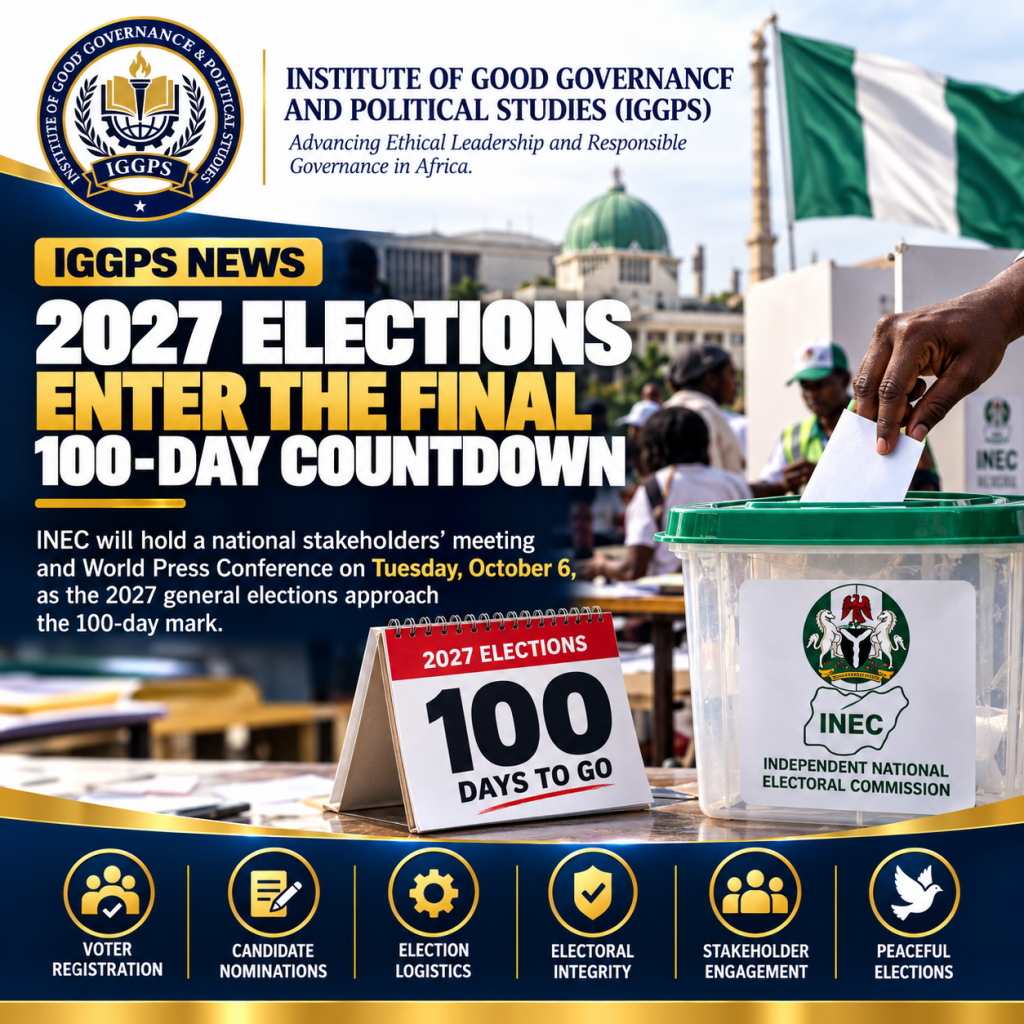
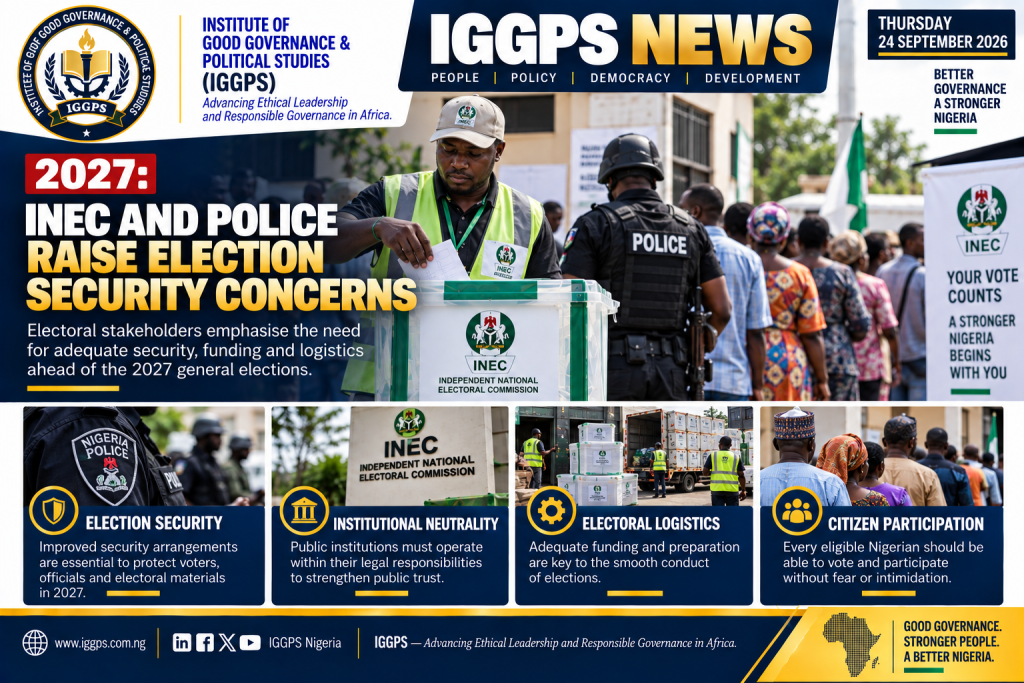
This conversation is particularly relevant as Nigeria approaches the next general election cycle.
INEC’s Continuous Voter Registration exercise, which began in August 2025, is scheduled to run through 17 August 2026, while the display of the voters’ register for claims and objections is scheduled for 24–30 August 2026.
INEC has also identified declining voter turnout as a serious concern for Nigeria’s democracy. Its published remarks note that presidential-election turnout fell from 53.7% in 2011 to 26.7% in 2023. The Commission has linked voter apathy partly to citizens’ perceptions that their voices do not matter and has called for stronger voter education and mobilisation.
This should concern every Nigerian who believes in democratic development.
Because when citizens withdraw from the democratic process, others make decisions on their behalf.
PARTICIPATION MUST BE INFORMED
However, participation without knowledge can also be dangerous.
A citizen who votes purely because of ethnicity, religion, personality, social-media propaganda or financial inducement is participating—but not necessarily exercising informed democratic judgment.
Democracy requires citizens to ask:
What does this candidate stand for?
What has this officeholder actually achieved?
What policies are being proposed?
How credible are the promises?
What are the consequences of the choices we are making?
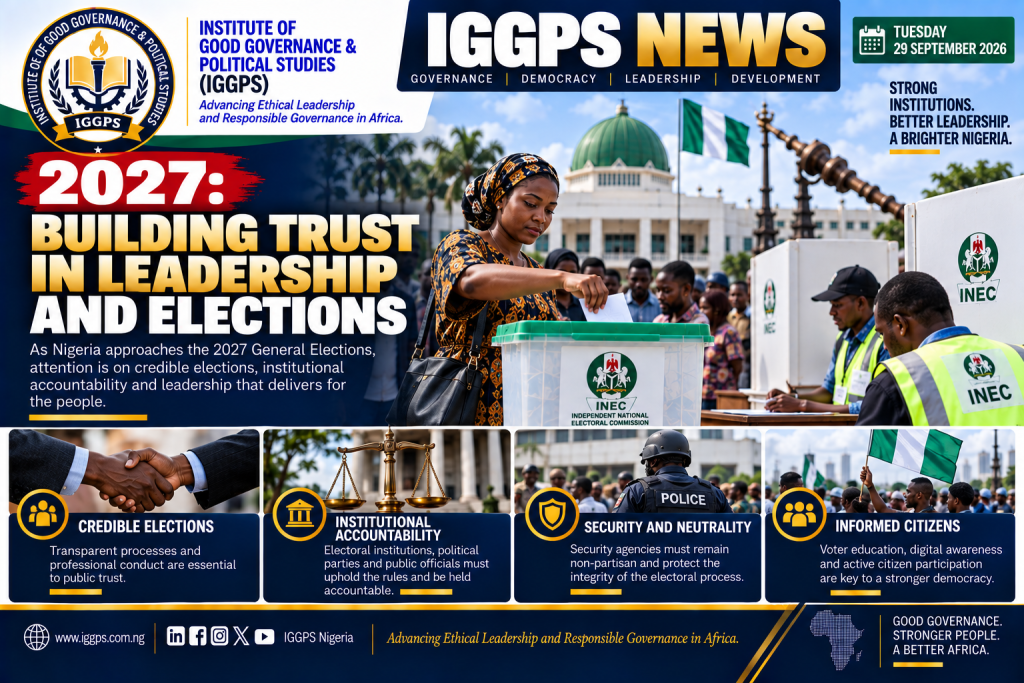
The quality of democracy is influenced by the quality of information available to citizens and the quality of the decisions citizens make with that information.
SOCIAL MEDIA HAS CREATED A NEW CIVIC BATTLEGROUND
Today, political participation increasingly takes place online.
A citizen can influence thousands of people with a single post.
That creates enormous opportunities for civic education—but also enormous risks.
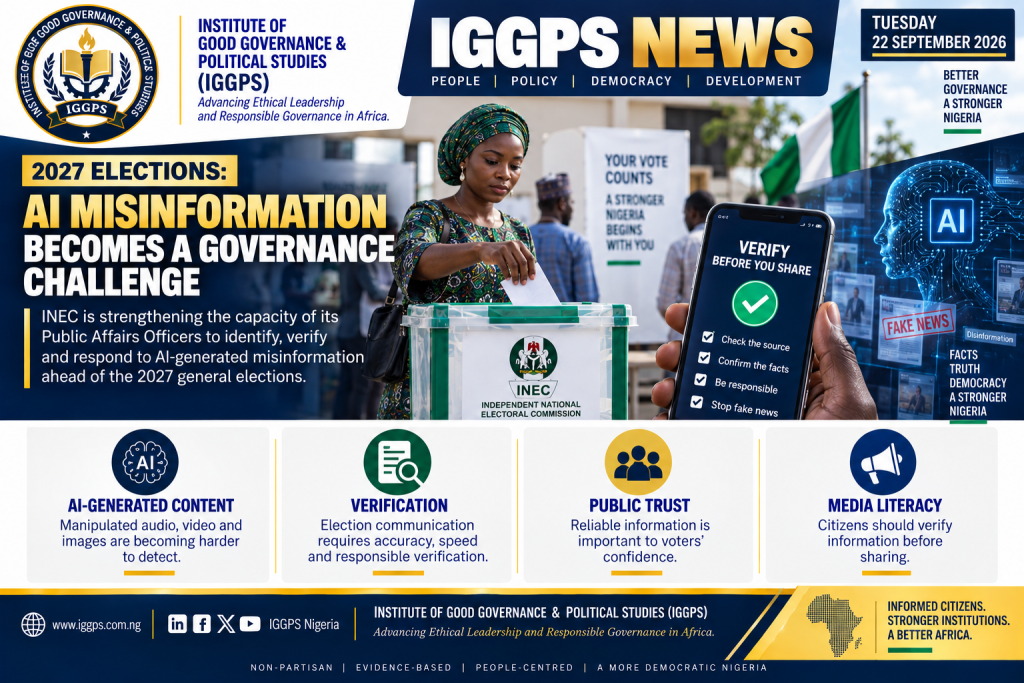
False information, manipulated videos, misleading headlines and deliberately distorted political narratives can spread rapidly.
The responsible citizen therefore has another democratic duty:
Think before you share.
Before forwarding a political claim, ask:
Is it true?
Where did it come from?
Can it be verified?
Who benefits if I believe it?
Responsible digital citizenship is now part of responsible democratic citizenship.
GOVERNANCE DOES NOT END AT THE BALLOT BOX
After elections, citizens must continue to engage.
If a politician promised better healthcare, citizens should be able to ask whether healthcare improved.
If a government promised jobs, citizens should examine employment outcomes.
If a legislature passed a law, citizens should understand its impact.
If public money was allocated to a project, citizens should be interested in whether the project was actually delivered.
This is how democracy develops from periodic voting into continuous accountability.
IGGPS POSITION
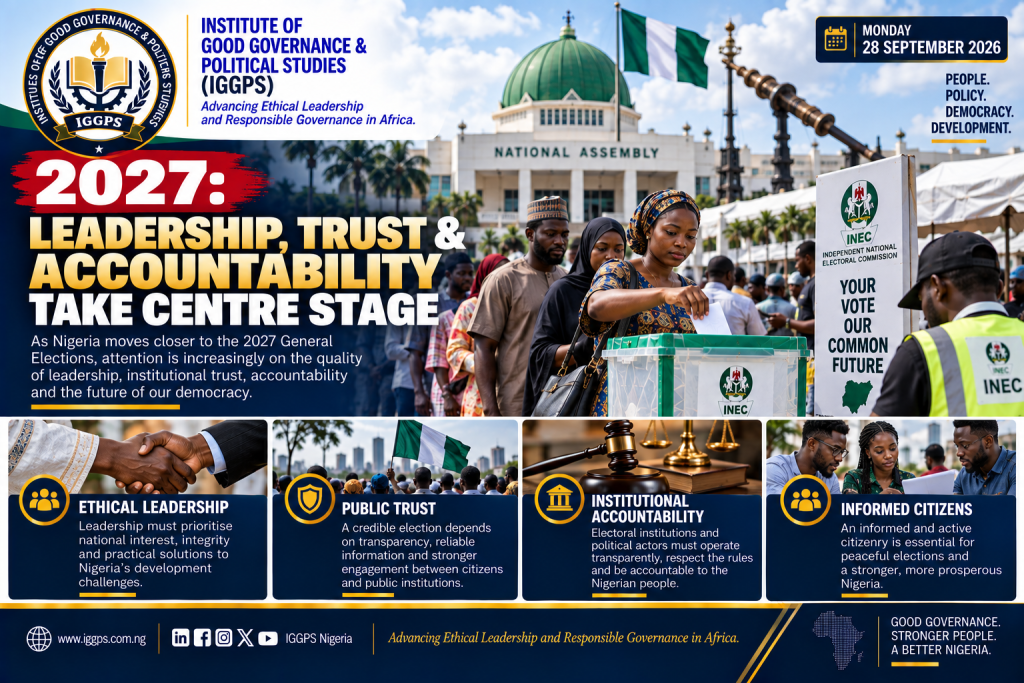
The Institute of Good Governance and Political Studies believes that Nigeria cannot build a strong democracy with citizens who participate only when elections arrive.
Democracy requires citizens who are informed, engaged, responsible and courageous enough to demand accountability.
Political leaders have responsibilities.
Government institutions have responsibilities.
But citizens also have responsibilities.
We cannot demand good governance while remaining indifferent to governance.
We cannot demand accountability while refusing to ask questions.
We cannot complain that our voices do not matter while refusing to use the democratic channels available to us.
And we cannot expect the next generation to inherit a stronger democracy if we refuse to participate in building it today.
THE CALL
Nigeria does not need citizens who merely watch politics.
Nigeria needs citizens who understand politics.
Citizens who ask questions.
Citizens who verify information.
Citizens who vote.
Citizens who monitor government.
Citizens who respect democratic institutions.
Citizens who reject political violence.
Citizens who hold leaders accountable.
And citizens who understand that democracy is ultimately a shared responsibility.
IGGPS EDITORIAL MESSAGE
Don’t just complain about governance. Participate in it.
Your voice matters.
Your vote matters.
Your questions matter.
Your vigilance matters.
Your participation matters.
Democracy is not a spectator sport.
IGGPS NEWS
Institute of Good Governance and Political Studies (IGGPS)
Integrity. Leadership. Accountability.
Building informed citizens. Strengthening democratic institutions. Advancing good governance.