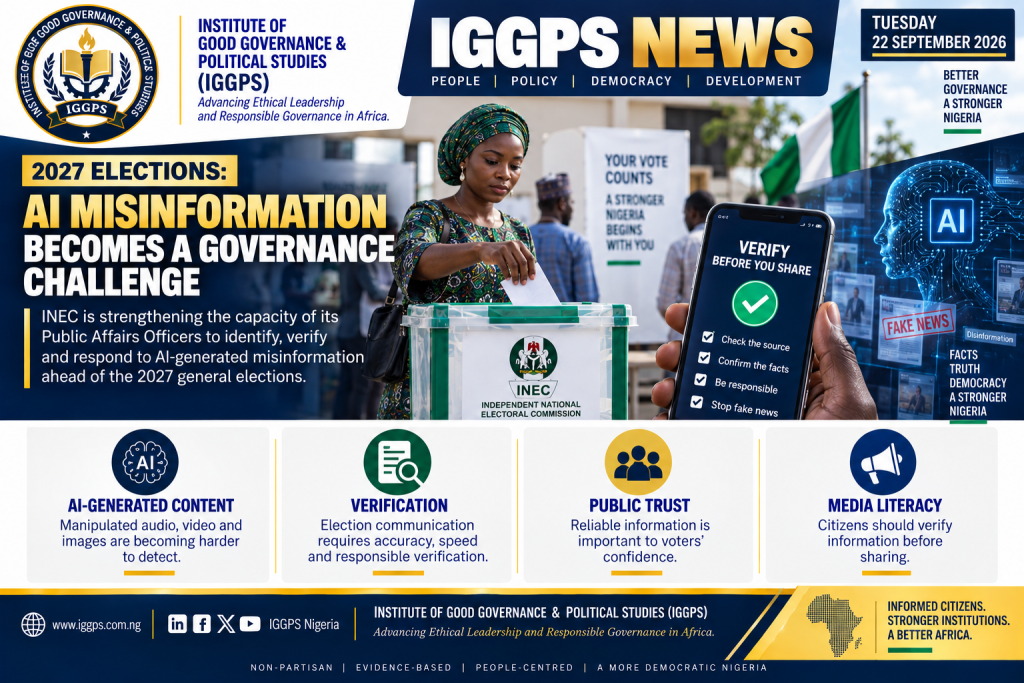

As Nigeria prepares for the 2027 General Elections, the Independent National Electoral Commission (INEC) has intensified efforts to strengthen the regulation of political parties and improve the credibility of the country’s electoral process.
The Commission has commenced a comprehensive review of its Regulations and Guidelines for Political Parties, aligning them with the recently enacted Electoral Act 2026 and emerging realities in Nigeria’s political environment.
The development comes at a critical moment, with Nigeria’s next general elections approaching and public attention increasingly focused on the credibility of political institutions, internal party democracy, electoral transparency and citizens’ confidence in the democratic process.
STRENGTHENING THE RULES OF DEMOCRATIC COMPETITION
According to INEC, the review is intended to improve political party oversight, strengthen compliance and reduce disputes before elections.
The Commission has identified several recurring challenges that have affected Nigeria’s electoral process, including opaque party primaries, membership disputes, weak financial disclosure practices and limited internal participation within political parties.
These issues are important because political parties remain the principal vehicles through which citizens seek political representation.
Where political parties operate without strong internal democratic structures, the quality of the wider democratic system can also be affected.
WHY POLITICAL PARTY ACCOUNTABILITY MATTERS
Democracy does not begin on Election Day.
It begins within political parties.
A political party that promotes transparency, internal participation, credible leadership selection and accountability is more likely to produce candidates who understand democratic responsibility.
Conversely, when political parties are dominated by opaque processes, personality politics or weak accountability mechanisms, citizens may lose confidence in the political system itself.
For Nigeria, therefore, strengthening party regulation is not merely an administrative exercise. It is part of the broader effort to strengthen democratic governance.
INEC AND THE 2027 ELECTORAL TIMETABLE
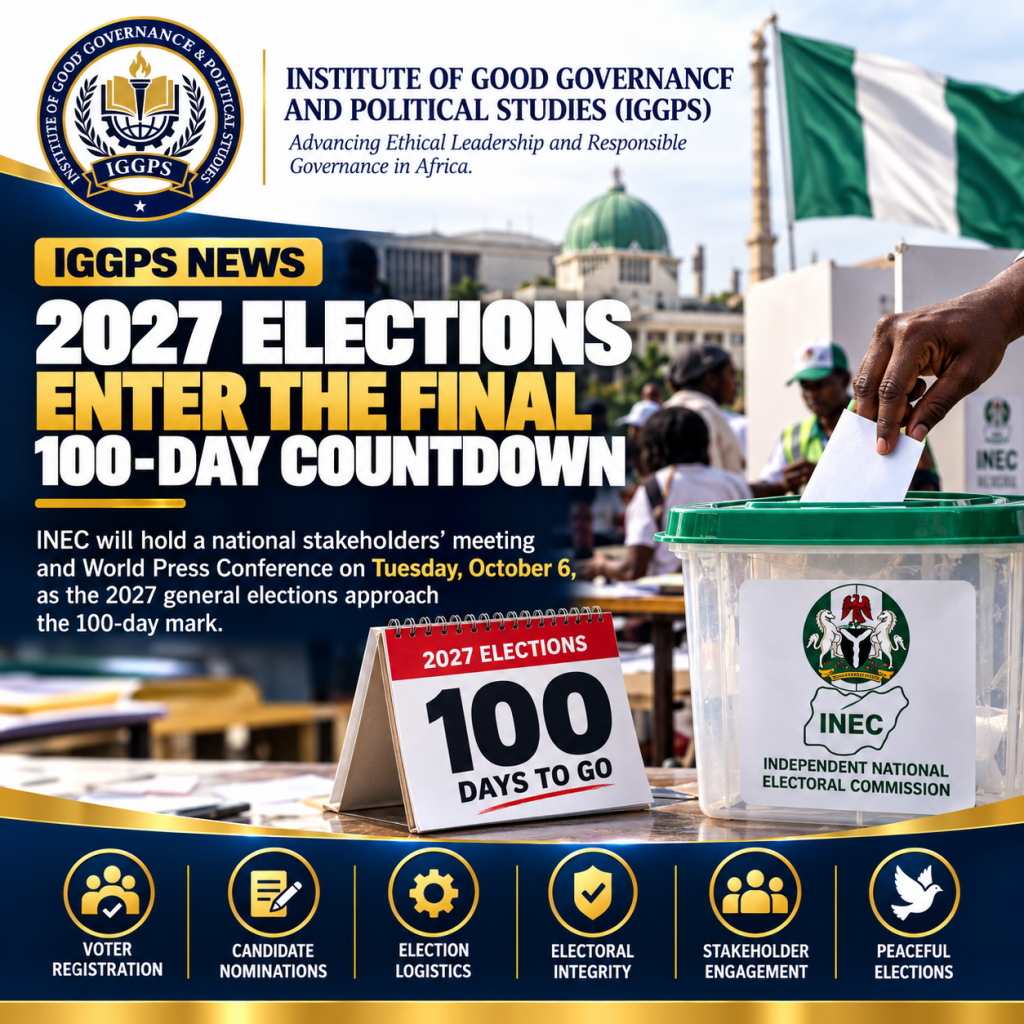
INEC has already published the timetable for the 2027 General Elections.
The Commission’s current schedule lists the Presidential and National Assembly elections for January 16, 2027, while the Governorship and State Houses of Assembly elections are scheduled for February 6, 2027.
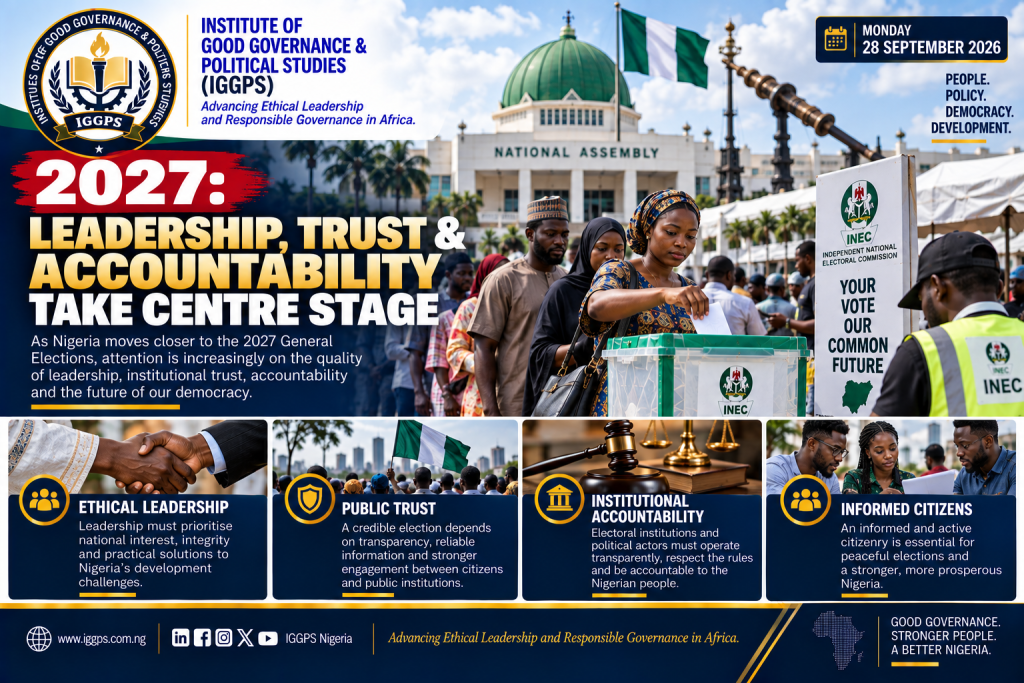
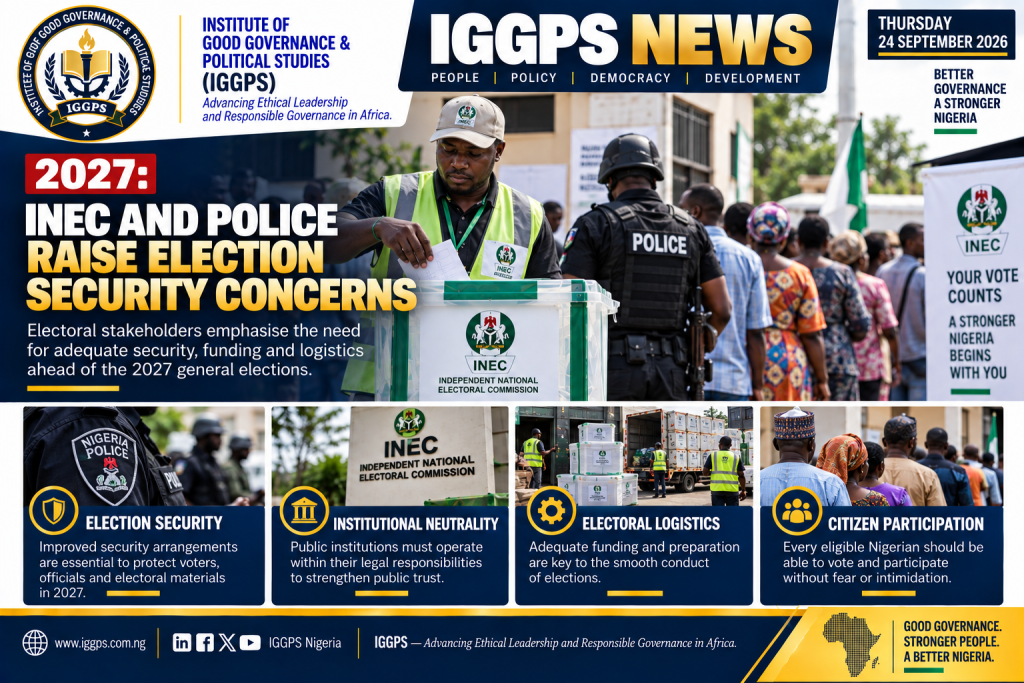
With the election cycle approaching, the quality of preparation by political parties, electoral institutions, civil society organisations, the media and citizens will be critical.
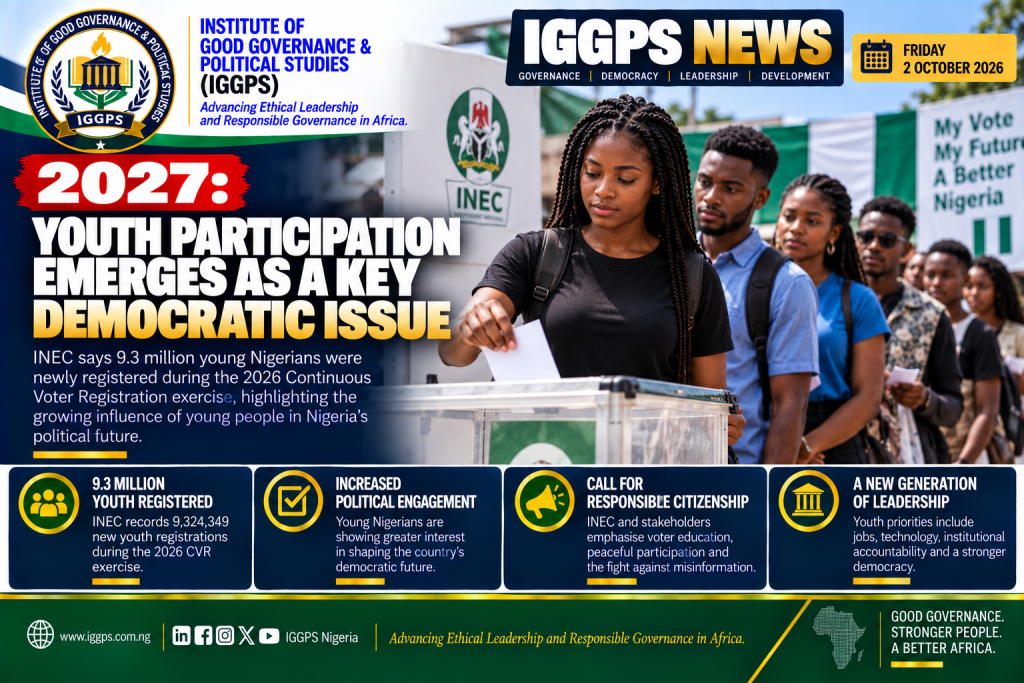
INEC has also indicated that it intends to strengthen the integrity of the voters’ register through a nationwide Voter Revalidation Exercise ahead of the 2027 elections. The Commission has identified issues including duplicate registrations, registrations by non-citizens, deceased voters and incomplete or inaccurate records as challenges requiring attention.
FROM ELECTORAL REFORM TO PUBLIC TRUST
Electoral reforms ultimately serve one major objective: public confidence.
Citizens are more likely to participate in elections when they believe that the rules are clear, institutions are impartial, votes are properly protected and political actors are held accountable.
This is particularly important in a country where voter apathy and concerns about electoral credibility have remained part of the democratic conversation.
INEC’s efforts to strengthen party regulation and clean up the voters’ register therefore represent important components of the broader effort to rebuild confidence in Nigeria’s democratic institutions.
THE ROLE OF POLITICAL PARTIES
Political parties also have a responsibility that extends beyond complying with electoral regulations.
They must promote internal democracy, respect their own constitutions, provide opportunities for meaningful participation and ensure that candidates emerge through credible processes.
Political parties should also educate their members and supporters about democratic values and discourage violence, intimidation, misinformation and other practices capable of undermining elections.
The responsibility for credible elections cannot rest on INEC alone.
Political parties, candidates, security agencies, the media, civil society and citizens all have roles to play.
IGGPS PERSPECTIVE
The Institute of Good Governance and Political Studies (IGGPS) considers strong democratic institutions to be fundamental to sustainable national development.
Electoral reform must therefore be accompanied by broader investments in political education, civic participation, ethical leadership, institutional accountability and respect for the rule of law.
Nigeria does not only need elections.
Nigeria needs elections that strengthen citizens’ confidence in democracy.
The country also needs political leaders who understand that public office is a responsibility rather than a privilege, and political parties that recognise that democracy must first be practised within their own structures.
THE DEMOCRACY WE BUILD
The 2027 elections will provide another major test of Nigeria’s democratic institutions.
But the success of the elections should not be measured only by who wins or loses.
It should also be measured by whether citizens believe the process was credible, whether institutions performed their responsibilities effectively, whether political actors respected the rules and whether the outcome strengthened rather than weakened public confidence.
Electoral reform is therefore not simply about changing regulations.
It is about building a political culture in which rules matter, institutions are respected and citizens’ voices are valued.
As Nigeria moves toward 2027, strengthening political party regulation is a necessary step.
The bigger task, however, is to build a democracy in which integrity becomes the standard, leadership becomes a responsibility and accountability becomes non-negotiable.