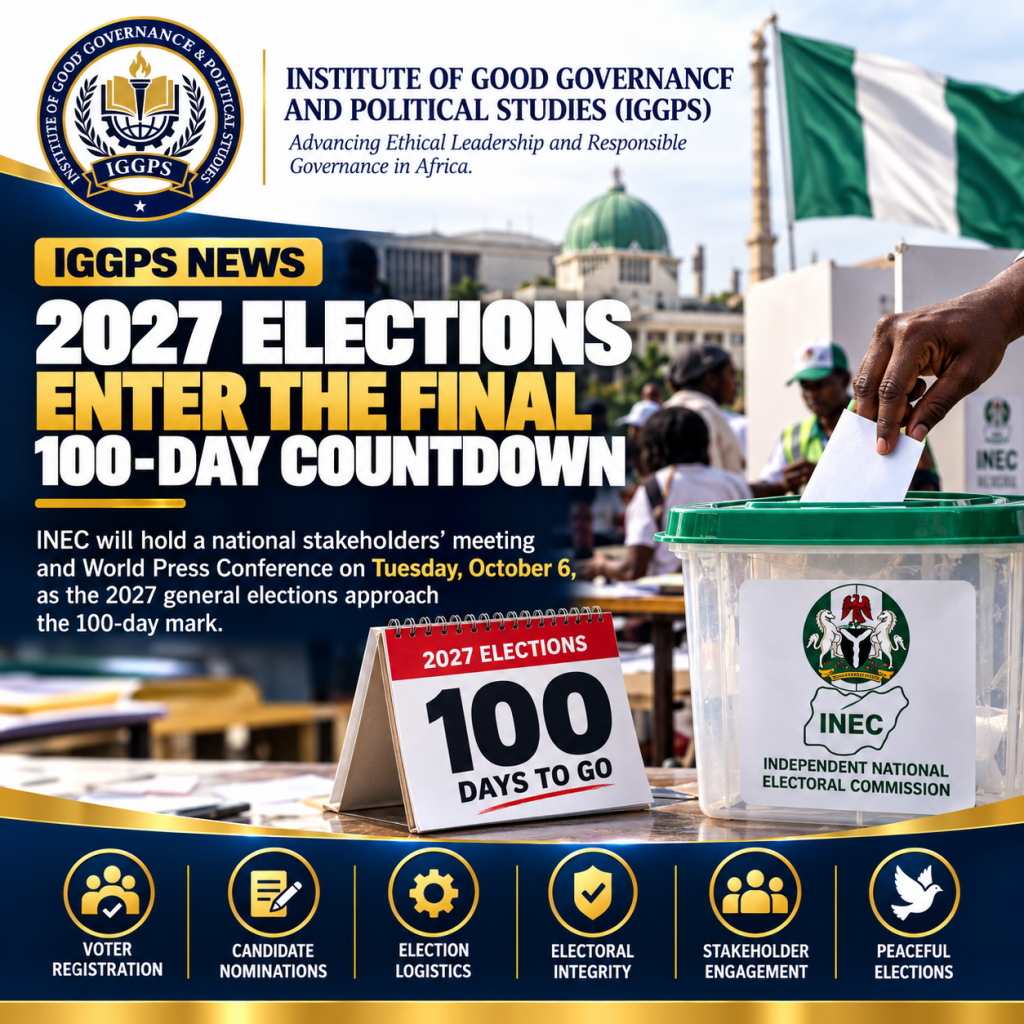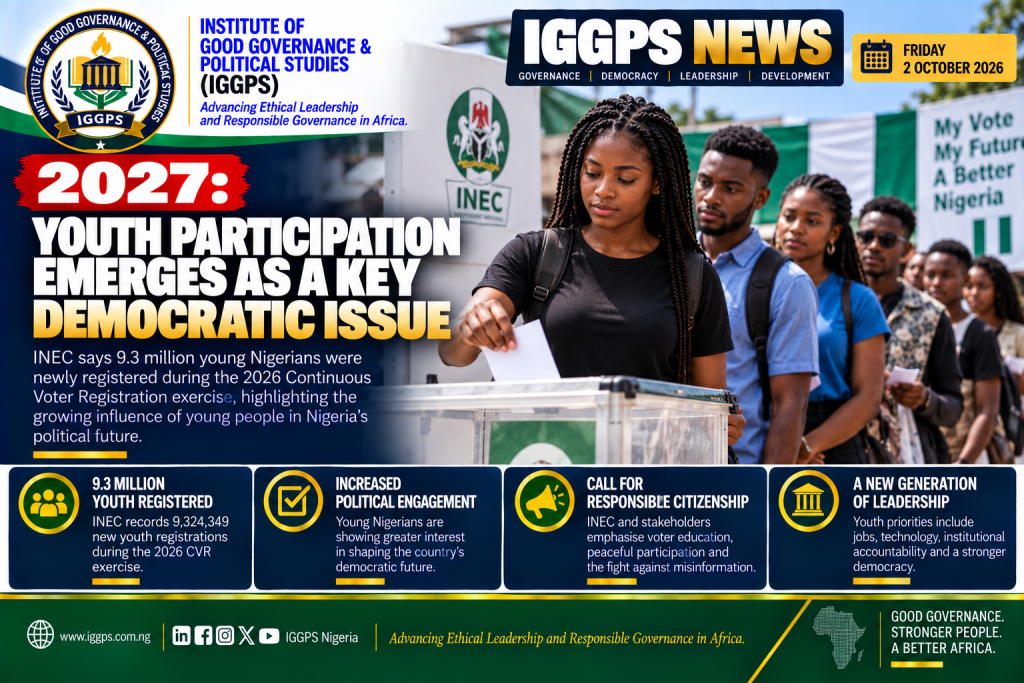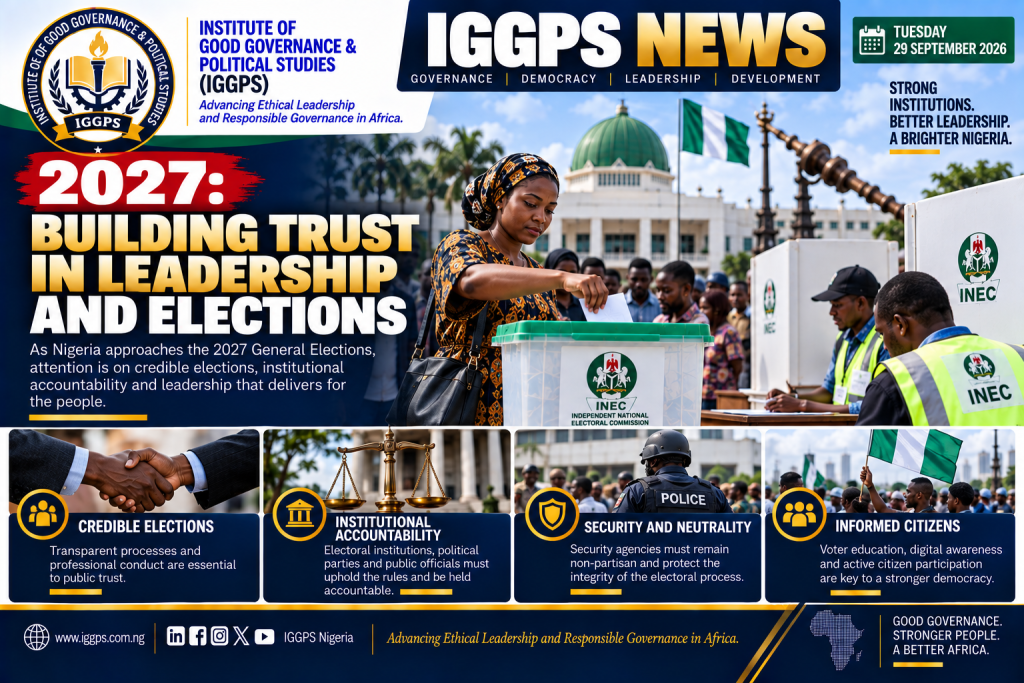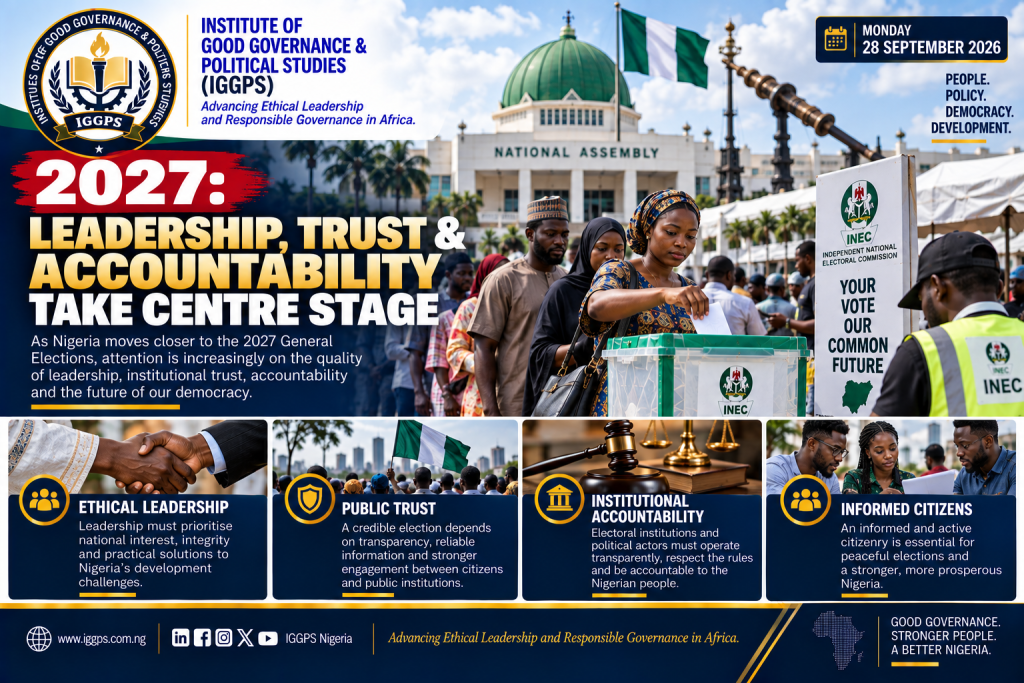

Nigeria’s 2027 political contest has entered a more consequential phase following the publication of the final list of Presidential, Vice-Presidential and National Assembly candidates by the Independent National Electoral Commission (INEC).
According to reports on Sunday, INEC published the final candidate lists containing 4,878 candidates, including 18 presidential candidates and thousands contesting National Assembly seats. The development moves the election from the uncertainty of nominations and internal party contests towards a more clearly defined electoral contest.
But while the ballot is becoming clearer, the political choices facing Nigerians are becoming more complicated.
Opposition Coalition Faces Its Biggest Test
The opposition coalition remains one of the most closely watched developments ahead of 2027. Discussions aimed at producing a common opposition platform have intensified, but the question of who ultimately leads the coalition remains unresolved.
Recent reports indicate that prominent opposition presidential contenders, including Atiku Abubakar, Peter Obi and Seyi Makinde, remain in the race, while negotiations continue around the possibility of a consensus candidate. Channels Television observed that the coalition has succeeded in bringing several political forces together, but must now confront the much harder question of leadership and the willingness of individual candidates to step aside.
This raises an important governance question: Can political actors build a coalition around a common national programme rather than simply around the desire to defeat the ruling party?
POLICY IS BEGINNING TO TAKE CENTRE STAGE
Another important development is the increasing presentation of policy agendas by presidential contenders.
Former Vice President Atiku Abubakar has unveiled a 12-point agenda covering the economy, electricity, education, security, healthcare, agriculture, local government autonomy, transportation and federal restructuring. His proposals also include a proposed $10 billion startup and entrepreneurship financing programme, greater opportunities for young people and women, and reforms aimed at reducing duplication within government.
Whether these proposals eventually become campaign commitments, legislative programmes or government policies will depend on the outcome of the election. For now, however, the development signals a potentially important shift: voters have an opportunity to compare programmes rather than personalities alone.
CONCERNS OVER POLITICAL VIOLENCE AND ELECTORAL CONDUCT
At the same time, concerns about the conduct of the political process are increasing.
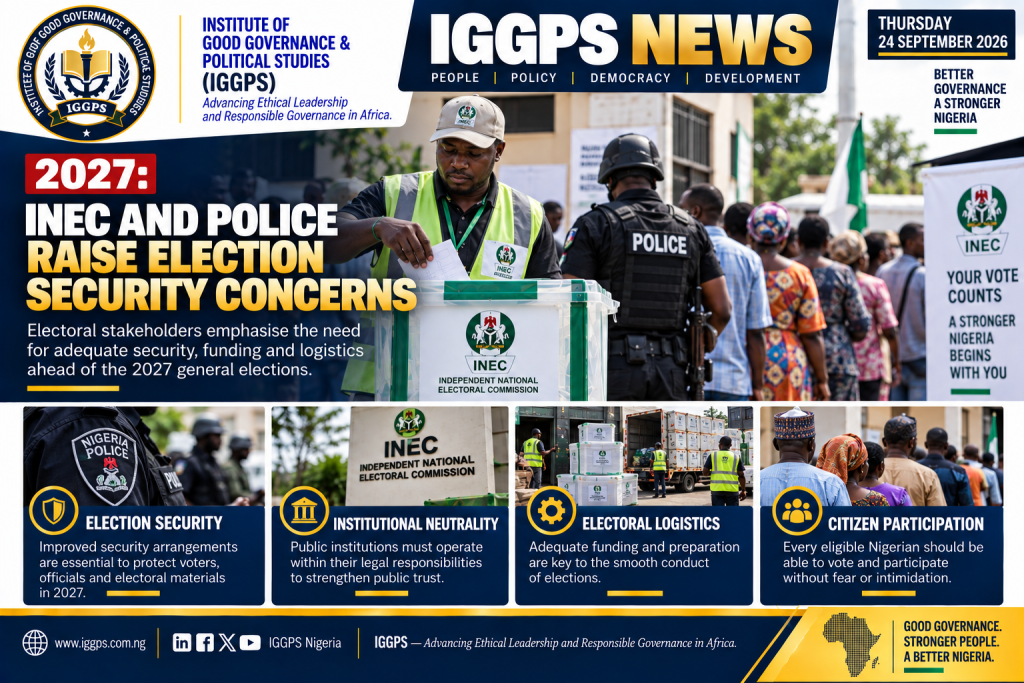
The Catholic Bishops’ Conference of Nigeria has called on political leaders and citizens to protect the credibility of the 2027 elections, warning against vote-buying, thuggery and manipulation.
Reports of alleged political violence in Enugu have also generated fresh tension, with PDP figures warning that growing political hostility could influence voter sentiment ahead of 2027. These are political allegations and should be treated as such, but they reinforce the wider concern about maintaining political tolerance as campaigning intensifies.
There is also an emerging debate about the role of religious institutions in politics. Former Ekiti State Governor Kayode Fayemi recently cautioned that the church should not become an electoral machinery for any political party, stressing the need to preserve its broader social and moral role.
THE IGGPS GOVERNANCE QUESTION
The most important issue for Nigeria may therefore not simply be who wins in 2027, but what kind of political culture the election produces.
A credible democracy requires more than competing candidates and campaign rallies. It requires political parties with clear programmes, candidates who can explain how their promises will be financed, institutions capable of enforcing electoral rules, citizens who can make informed choices, and political actors prepared to accept legitimate electoral outcomes.
As the 2027 contest becomes more defined, Nigerians should demand answers to fundamental questions:
What is the candidate’s economic plan?
How will jobs be created?
How will insecurity be addressed?
What will happen to education and healthcare?
How will corruption and waste be reduced?
How will local governments become more effective?
What measurable targets will citizens use to assess performance?
Most importantly, political competition must not become a competition in division, intimidation or vote-buying.
IGGPS POSITION
Nigeria’s 2027 election should be an opportunity to move the national political conversation from personality politics to policy politics; from promises to measurable commitments; and from electoral victory to responsible governance.
The quality of Nigeria’s next government will ultimately depend not only on the candidates who emerge victorious, but also on the standards citizens demand before, during and after the election.
The real democratic victory is not simply choosing leaders. It is building a political system capable of producing accountable leaders and delivering responsible governance.