
President Bola Ahmed Tinubu has directed Nigeria’s Regional Development Commissions to ensure the timely release and effective utilisation of funds, while warning against corruption, waste and the execution of projects with little or no direct benefit to citizens.
The President, represented by Secretary to the Government of the Federation, Senator George Akume, gave the directive at the first North Central Stakeholders Development Summit in Abuja. He urged the commissions to move away from “white elephant” projects and focus on initiatives capable of unlocking the economic and industrial potential of their respective regions.
The development comes at a time when public accountability, institutional performance and effective utilisation of public resources remain central issues in Nigeria’s governance conversation.
For the Institute of Good Governance and Political Studies (IGGPS), the message is particularly significant: development institutions must be judged not simply by the size of their budgets, but by the measurable impact of their interventions on citizens.
Regional development commissions have the potential to become powerful instruments for inclusive development if they operate with transparency, strong oversight, professional leadership and clear performance indicators. However, without effective accountability mechanisms, increased funding alone cannot guarantee improved outcomes.
The IGGPS Perspective
Good governance requires more than announcing development projects. It requires:
- Transparency in the allocation and utilisation of public funds.
- Accountability for decisions and project outcomes.
- Citizens’ participation in identifying development priorities.
- Strong institutional oversight to prevent waste and corruption.
- Measurable impact rather than politically motivated projects.
- Sustainable development that creates economic opportunities for communities.
The warning against white-elephant projects therefore provides an important governance test: Can Nigeria’s development institutions demonstrate that public expenditure is translating into tangible improvements in citizens’ lives?
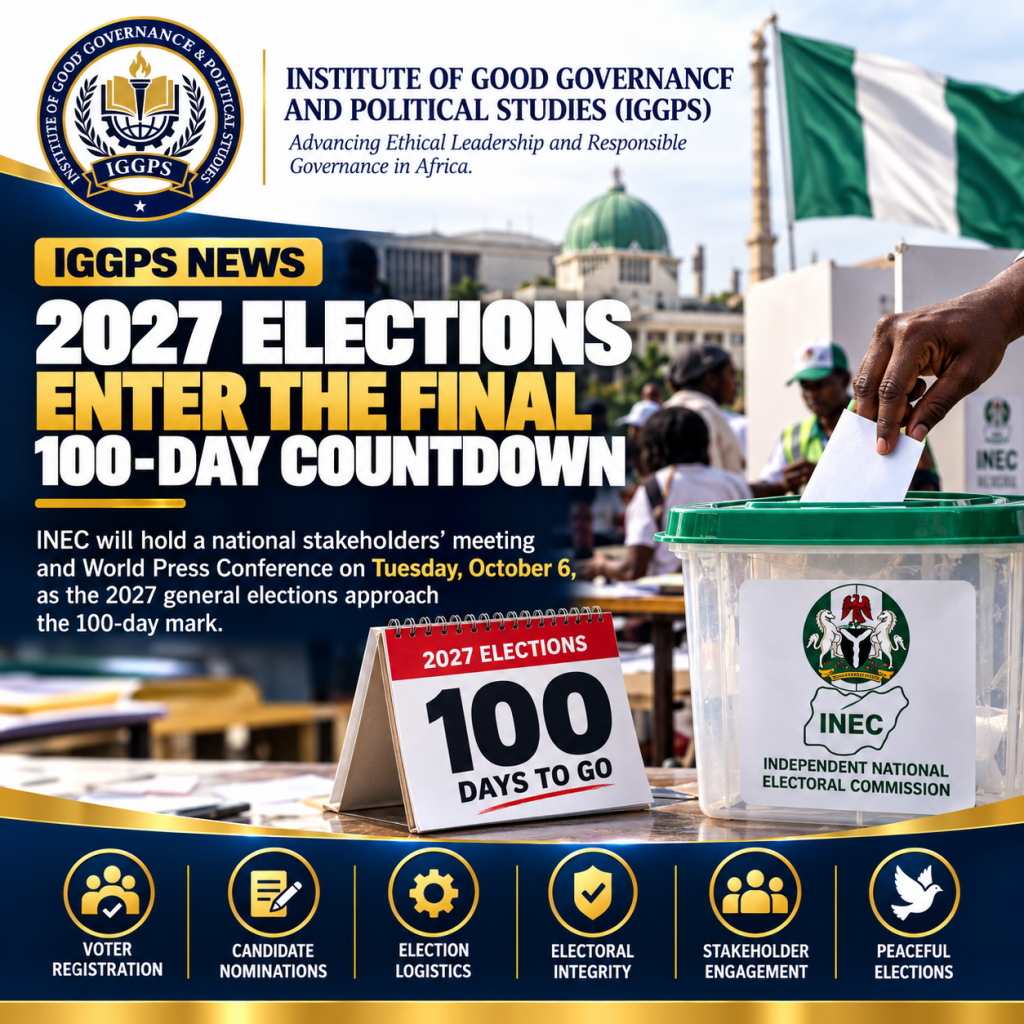
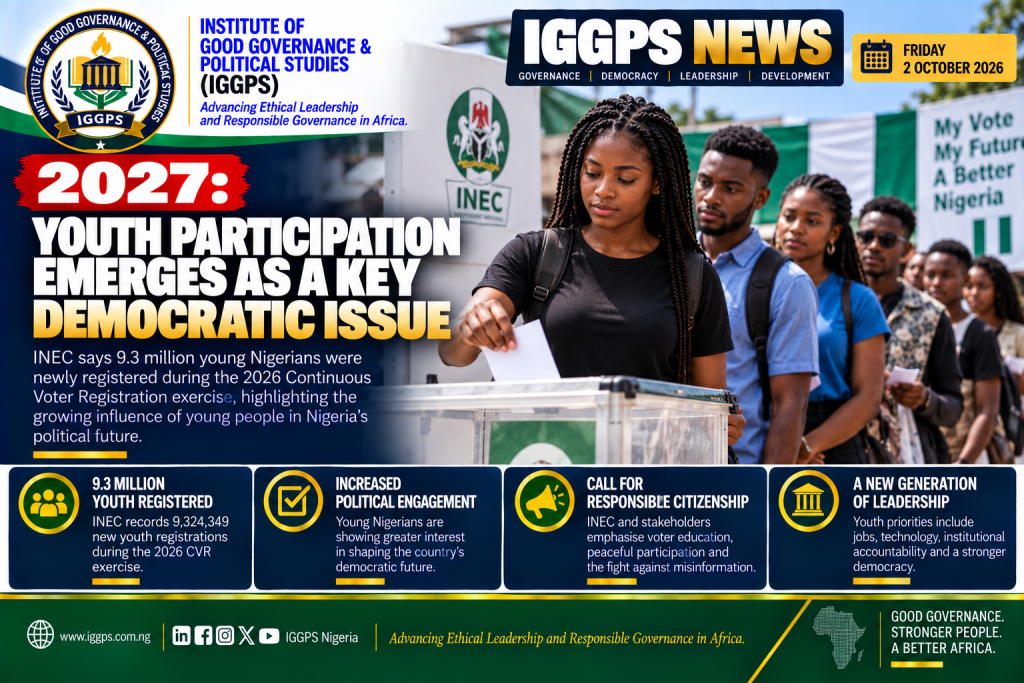
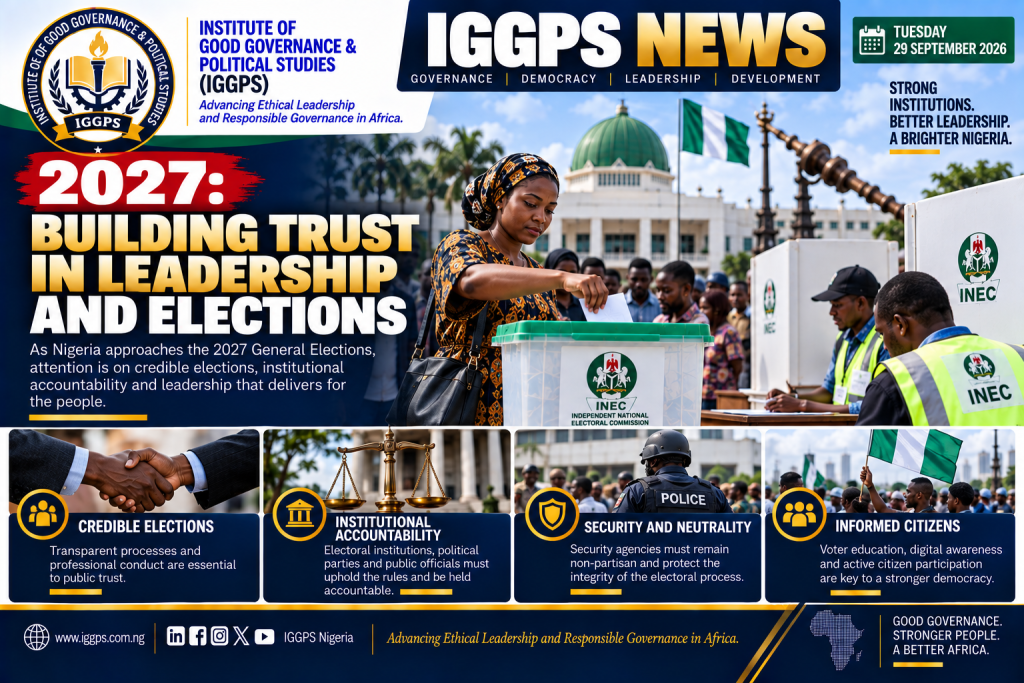
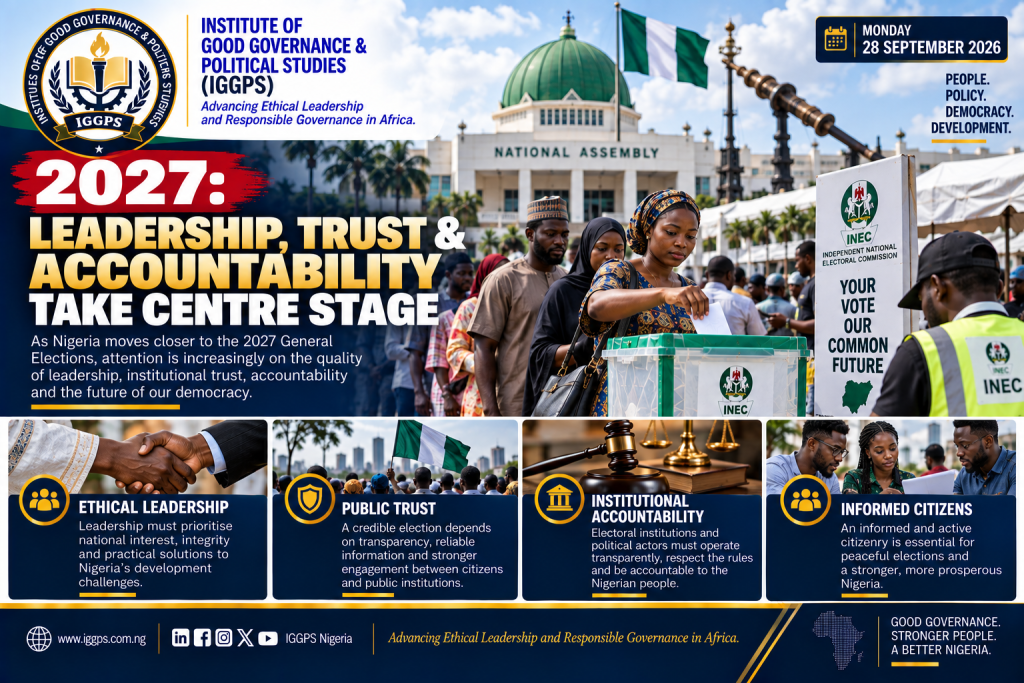
As Nigeria approaches the 2027 general elections, conversations around governance should increasingly move beyond political personalities and campaign promises toward institutional performance, responsible leadership and evidence-based development.
IGGPS POSITION:
Public resources are held in trust for the people. Every institution entrusted with those resources must demonstrate transparency, responsibility and measurable public value.