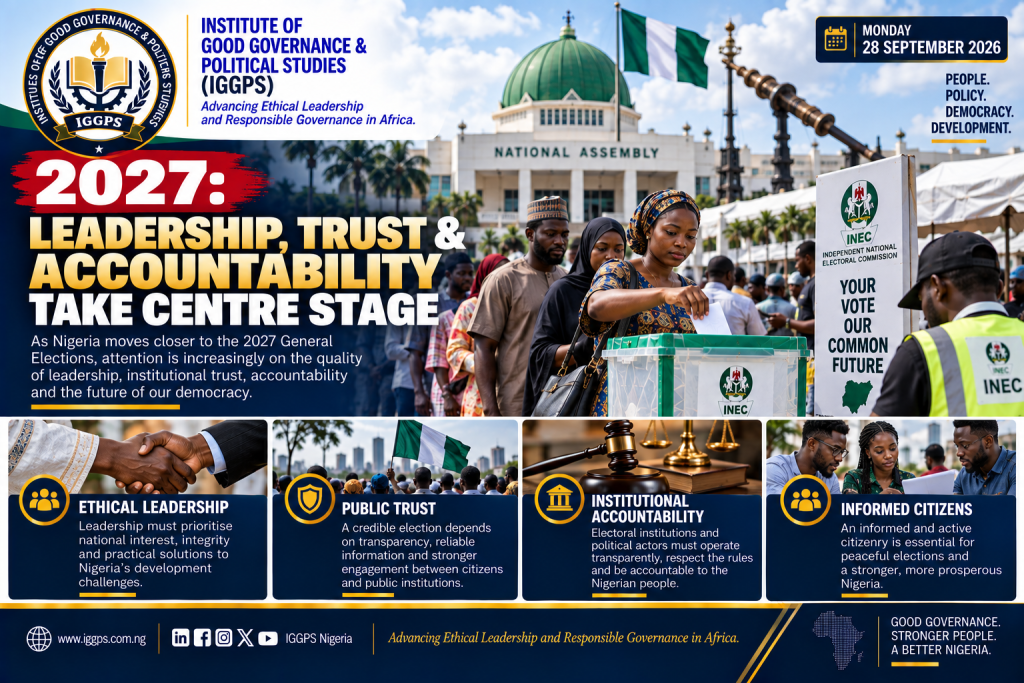

In every democratic society, public trust is the currency that sustains government legitimacy, strengthens institutions, and promotes national development. Citizens willingly support government policies, participate in democratic processes, and contribute to nation-building when they believe that public institutions are transparent, accountable, and committed to serving the common good. However, where opacity, corruption, and abuse of power prevail, public confidence erodes, governance becomes ineffective, and democratic institutions weaken.
Transparency and accountability are therefore not merely governance buzzwords; they are fundamental principles that define the quality of leadership and determine the extent to which governments can achieve sustainable development. Around the world, nations that have made significant progress in economic growth, institutional development, and social stability have done so largely because their governance systems are built on openness, responsibility, and public trust.
Understanding Transparency in Governance
Transparency refers to the openness of government processes, decisions, and activities. It means that citizens have access to information regarding how public resources are managed, how policies are formulated, and how decisions affecting their lives are made.
A transparent government provides timely, accurate, and accessible information to the public. It encourages citizens to understand government actions and empowers them to hold public officials accountable. Transparency also reduces opportunities for corruption, favoritism, and misuse of public resources.
In today’s digital age, transparency has become increasingly important. Citizens expect governments to communicate openly, publish budgets, disclose expenditures, provide access to public records, and maintain effective channels of engagement. Governments that embrace transparency foster greater public confidence and enhance their credibility both domestically and internationally.
The Role of Accountability in Democratic Development
Accountability is the obligation of public officials and institutions to explain their actions, accept responsibility for their decisions, and be subject to appropriate scrutiny and sanctions when necessary.
Effective accountability ensures that public office remains a position of trust rather than personal privilege. It requires leaders to act in accordance with laws, ethical standards, and the expectations of the citizens they serve.
Accountability operates through several mechanisms, including:
- Legislative oversight.
- Independent judiciary systems.
- Anti-corruption agencies.
- Public audits and financial reviews.
- Media scrutiny.
- Civil society engagement.
- Citizen participation and feedback.
When accountability mechanisms function effectively, they discourage corruption, improve service delivery, strengthen institutional performance, and enhance democratic stability.
Why Public Trust Matters
Public trust is the foundation upon which governments build legitimacy and social cohesion. Trust enables governments to implement reforms, attract investment, mobilize citizens during crises, and maintain social order.
Conversely, a lack of trust often results in:
- Public skepticism toward government initiatives.
- Reduced citizen participation.
- Increased social unrest.
- Weak compliance with laws and regulations.
- Political instability.
- Reduced confidence among investors and development partners.
Trust cannot be demanded; it must be earned through consistent transparency, accountability, and ethical leadership.
Challenges to Transparency and Accountability in Nigeria
Despite significant democratic progress, Nigeria continues to face challenges that undermine public confidence in governance. These challenges include:
- Corruption and financial mismanagement.
- Weak institutional oversight.
- Limited access to public information.
- Political interference in public institutions.
- Inadequate enforcement of accountability measures.
- Low citizen participation in governance processes.
Addressing these challenges requires deliberate reforms aimed at strengthening institutions, promoting ethical leadership, and fostering a culture of openness across all levels of government.
Building a Culture of Good Governance
The pursuit of good governance requires collective responsibility from government, private sector organizations, civil society groups, the media, and citizens. Leaders must demonstrate integrity and accountability, while citizens must actively participate in governance processes and demand transparency from public institutions.
Technology also offers new opportunities to improve governance through digital accountability systems, e-governance platforms, open budgeting initiatives, and real-time public engagement mechanisms.
Furthermore, governance education and leadership development are critical for nurturing a new generation of public servants committed to ethical conduct, transparency, and national service.
The IGGPS Perspective
The Institute of Good Governance and Political Studies (IGGPS) maintains that transparency and accountability are indispensable pillars of democratic governance and national development. Sustainable progress can only be achieved when leaders remain answerable to the people, institutions operate with integrity, and public resources are managed responsibly.
As Nigeria continues its democratic journey, strengthening accountability systems and promoting transparent governance must remain national priorities. The future of democratic development depends not only on the quality of leadership but also on the trust that citizens place in their institutions.